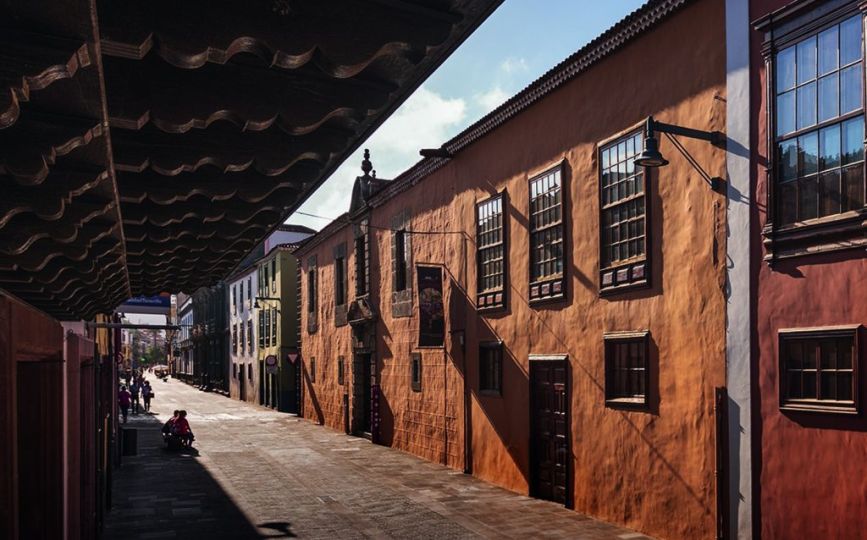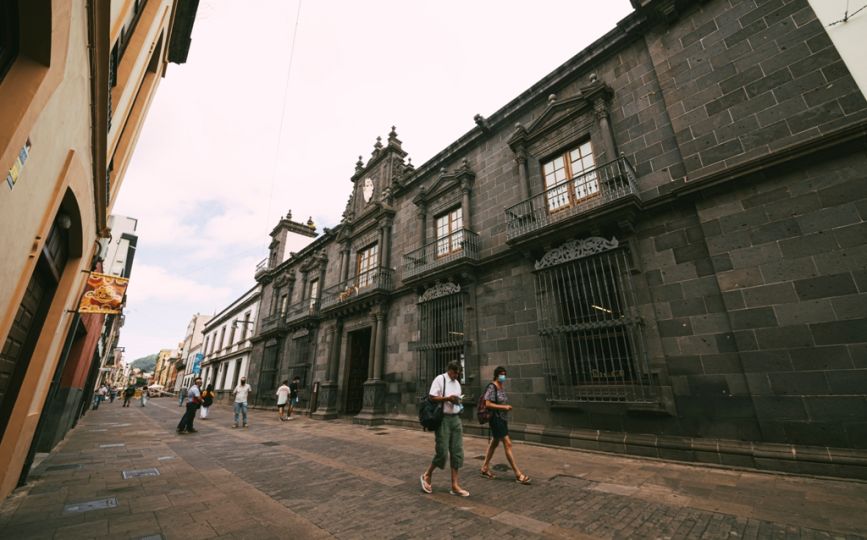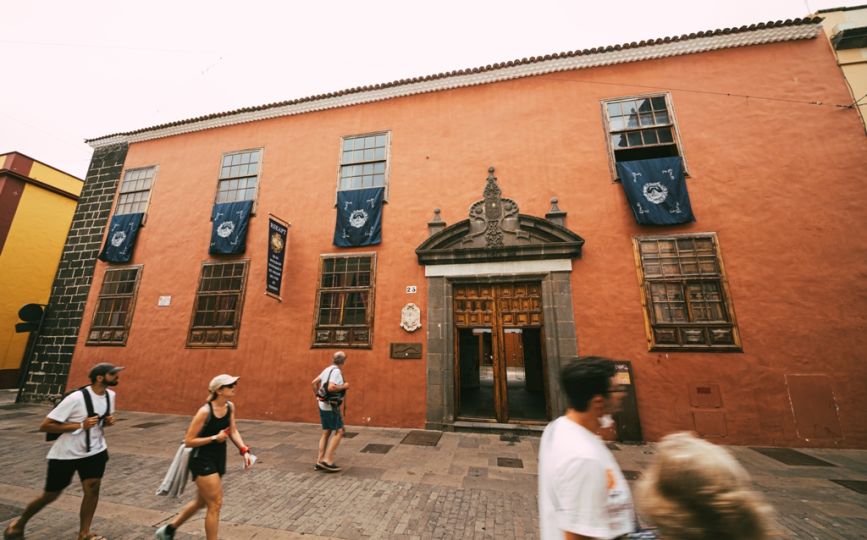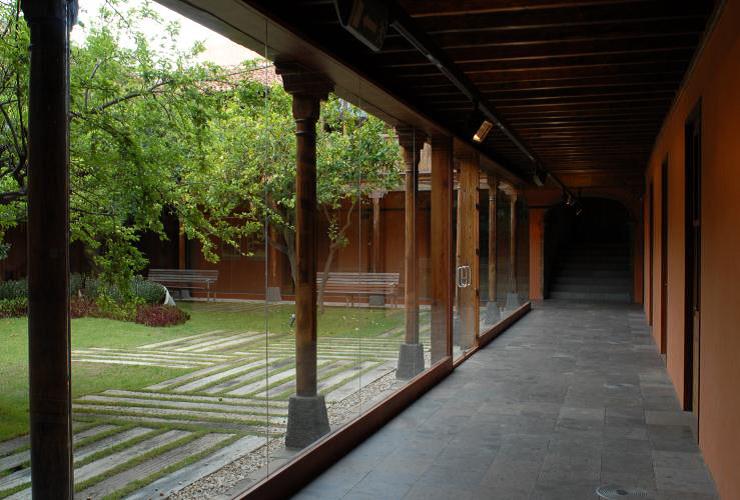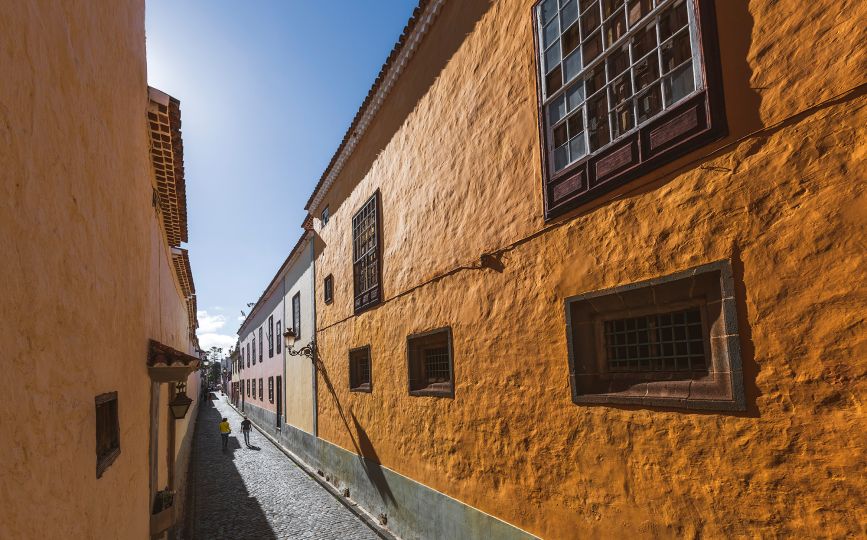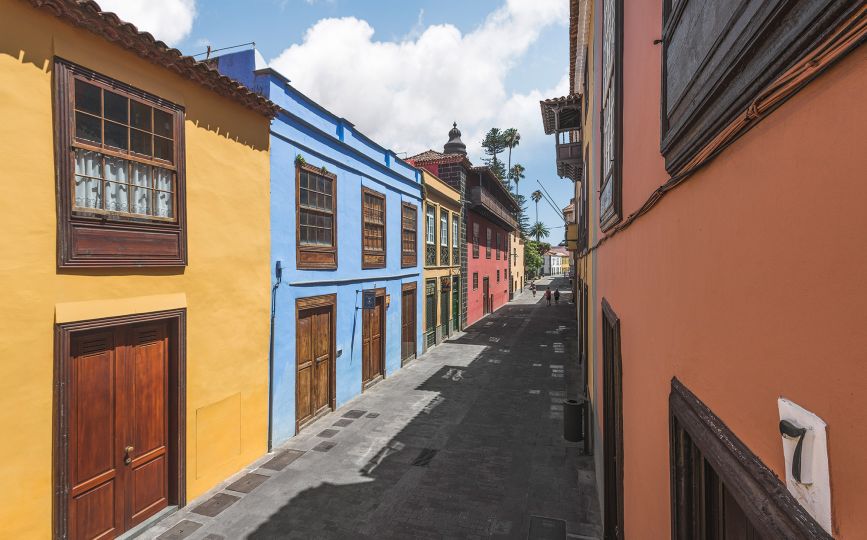
25th Anniversary of San Cristóbal de La Laguna as a World Heritage Site

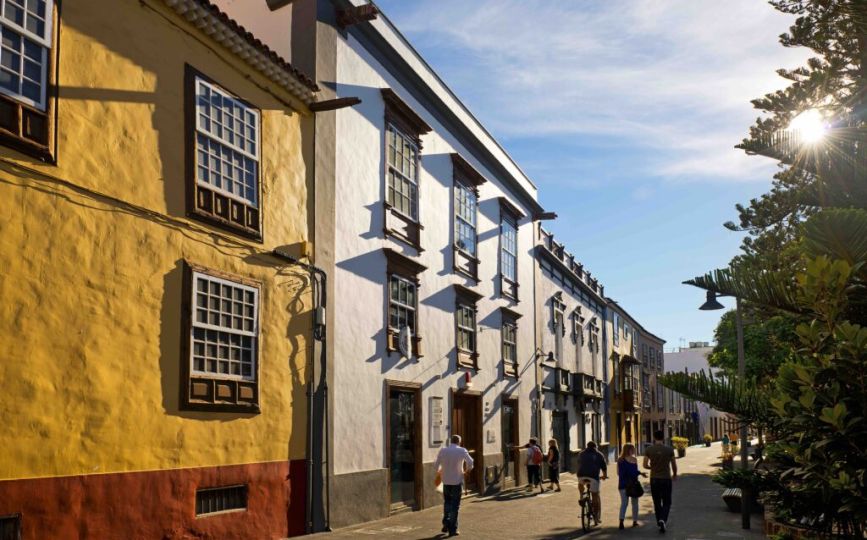
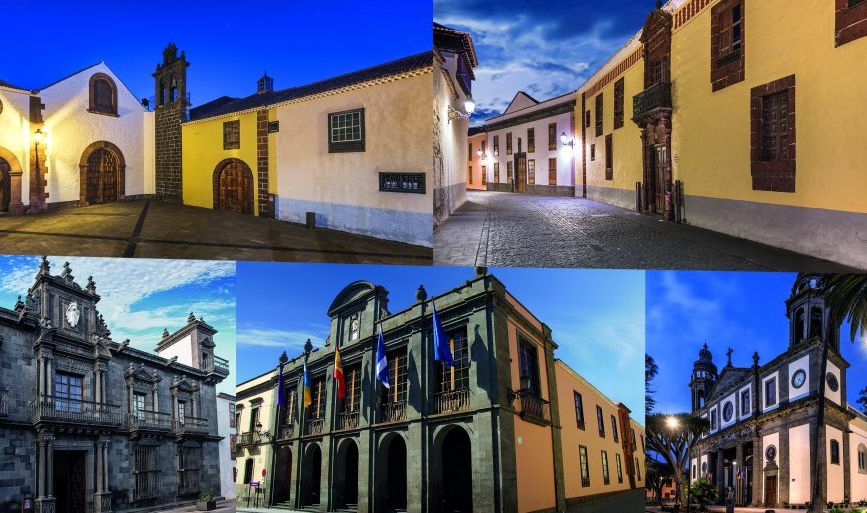
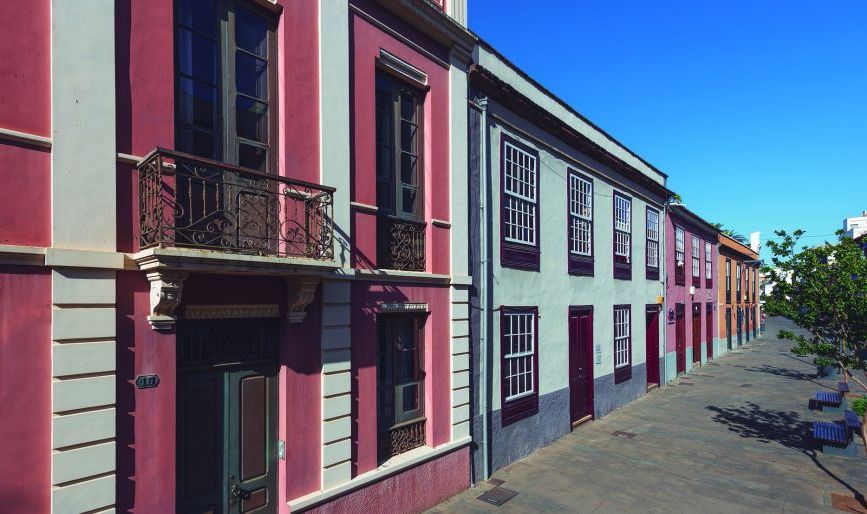
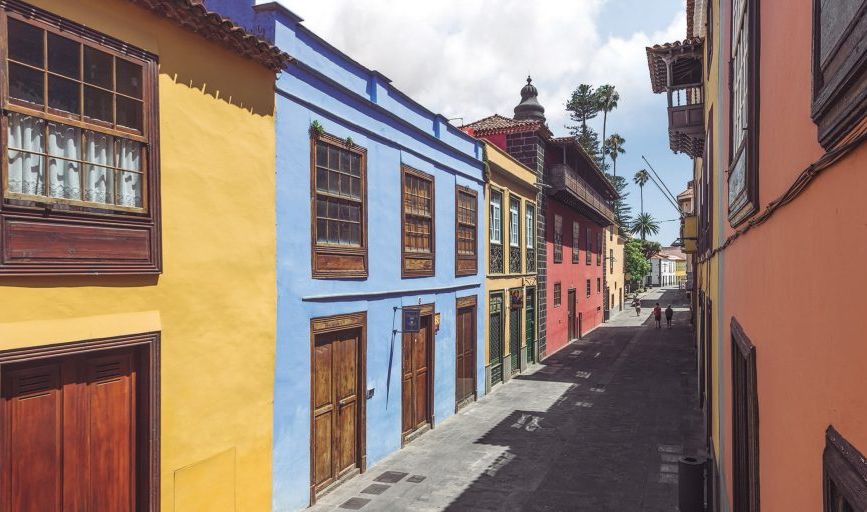
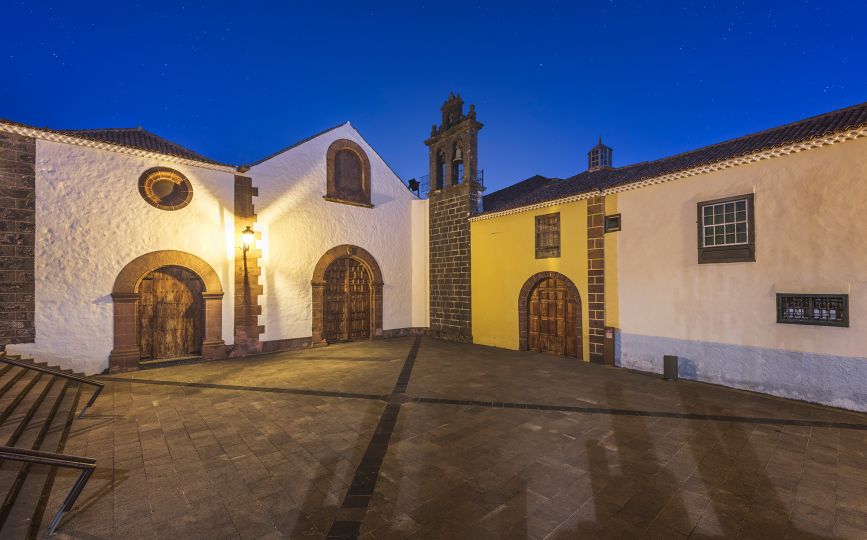
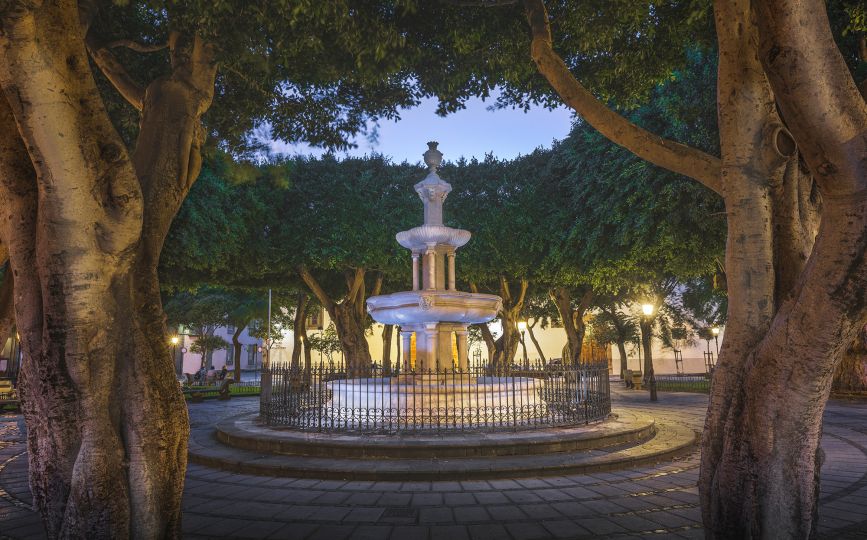
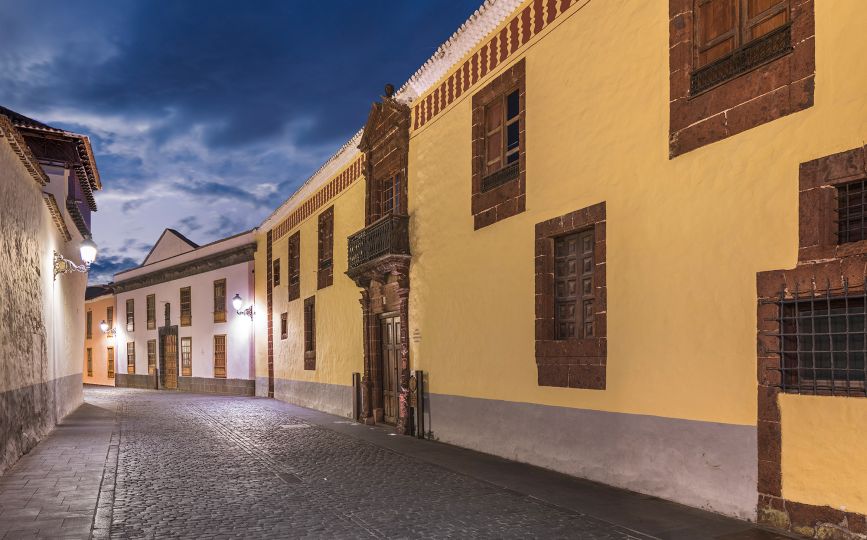
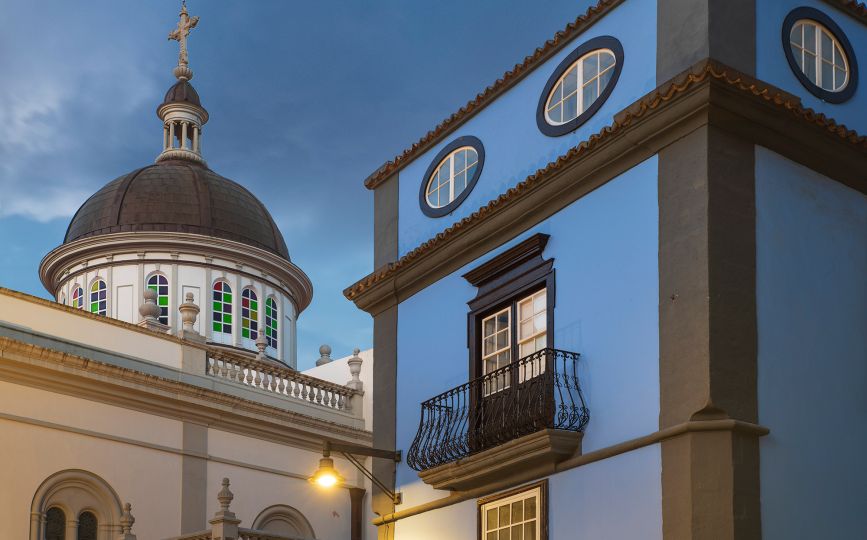
San Cristóbal de La Laguna was declared a World Heritage Site by UNESCO on 2 December 1999, for being a unique example of a colonial city without walls, and built from a complex project based on navigation as a science of the time and as a space for the organisation of a new social order. science of the time and as a space for organising a new social order.
The original layout from 1500, which has remained intact over the centuries, of influences between European and Hispano-Portuguese culture, European and Spanish-Portuguese culture and American culture, with which it has maintained a constant link from a human, cultural and socio-economic point of view.

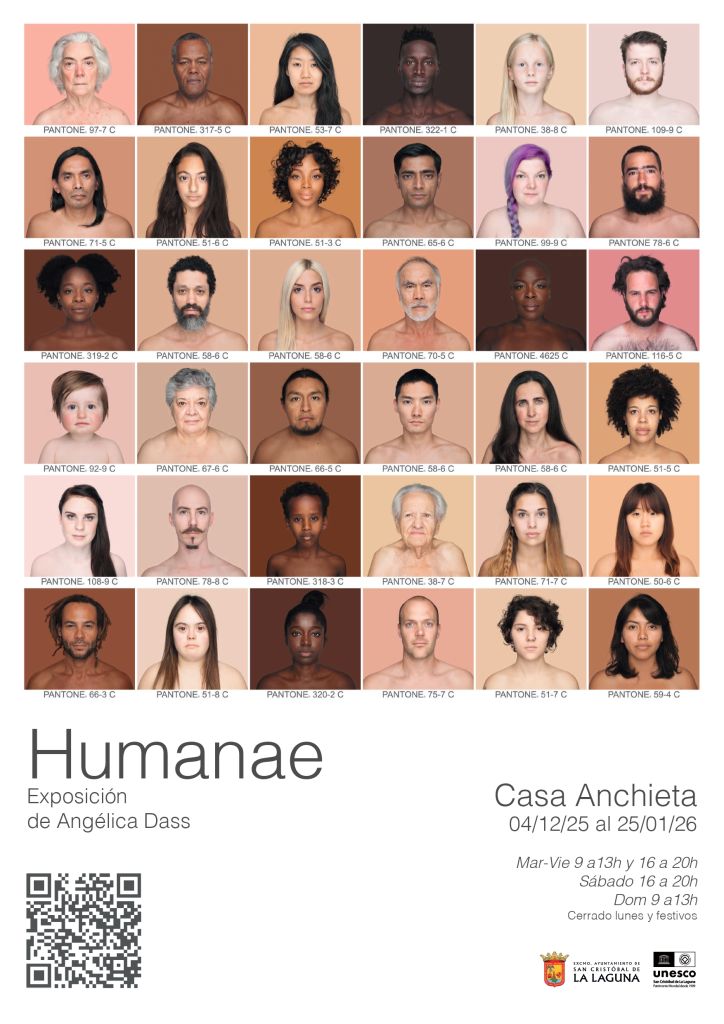
La Laguna reveals its Point Zero, the place where Tenerife’s historic roads begin and the Canary Islands’ connection with Latin America
A bronze plaque measuring half a metre in diameter marks the centre of the compass rose hidden in the city’s layout for five centuries on Calle San Agustín
This new urban icon is digitally elevated in an audiovisual presentation that conveys La Laguna’s universal vocation as an Atlantic link between continents
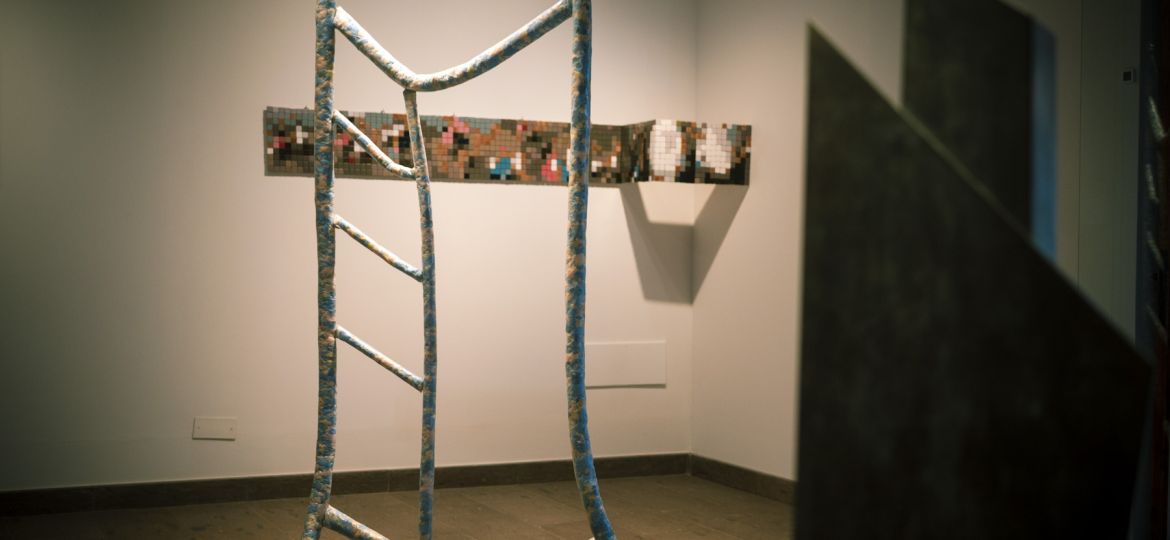
The performance held at LM Arte Colección consolidates an exhibition that analyses the city from the energy of new female creators and connects with the memory of Pibes ‘8p
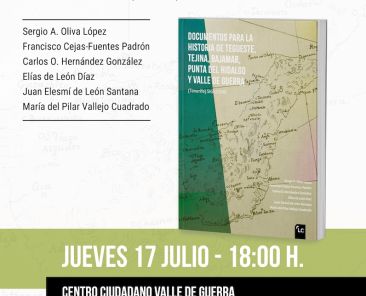
The work, the result of the work of several authors, not only compiles the genealogy of the northeastern region during the 17th century, but also allows us to retrace the evolution of its villages and to learn about the legal acts that brought people before the notary public, such as marriage dowries or proofs of blood purity.
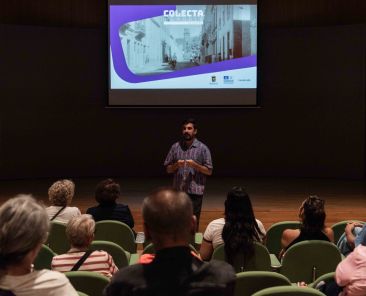
The project for the preservation of local audiovisual heritage ends its tour of the citizen centres with a high level of participation.

The event includes concerts in venues such as the hermitage of San Miguel, the convent of Santo Domingo and the church of San Bartolomé de Tejina, and an extensive educational programme.














A city to photograph