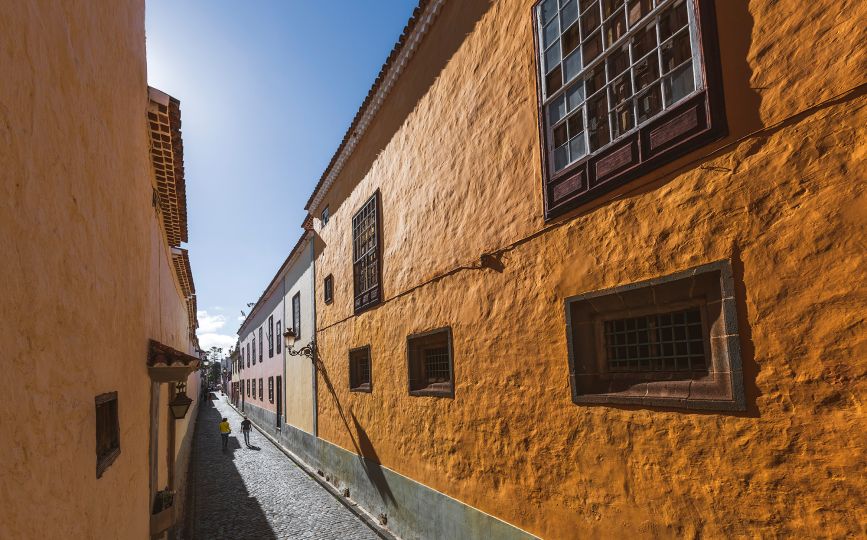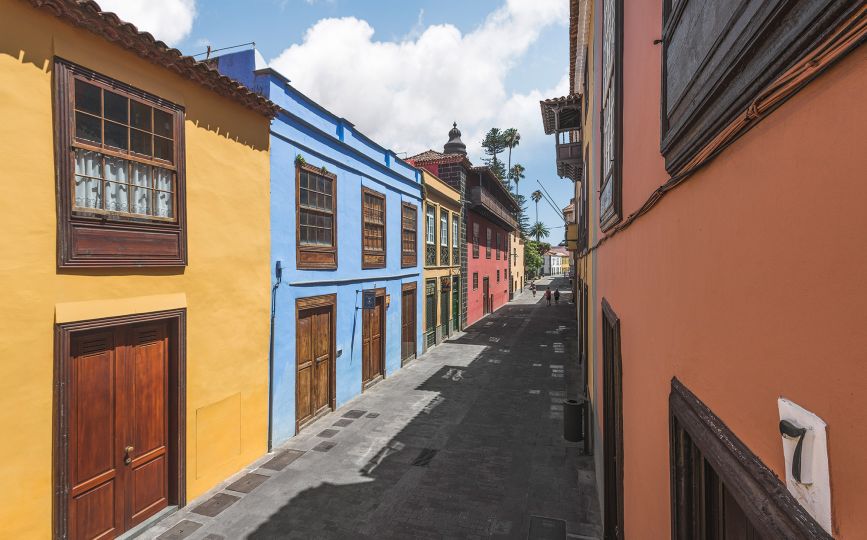
25th Anniversary of San Cristóbal de La Laguna as a World Heritage Site

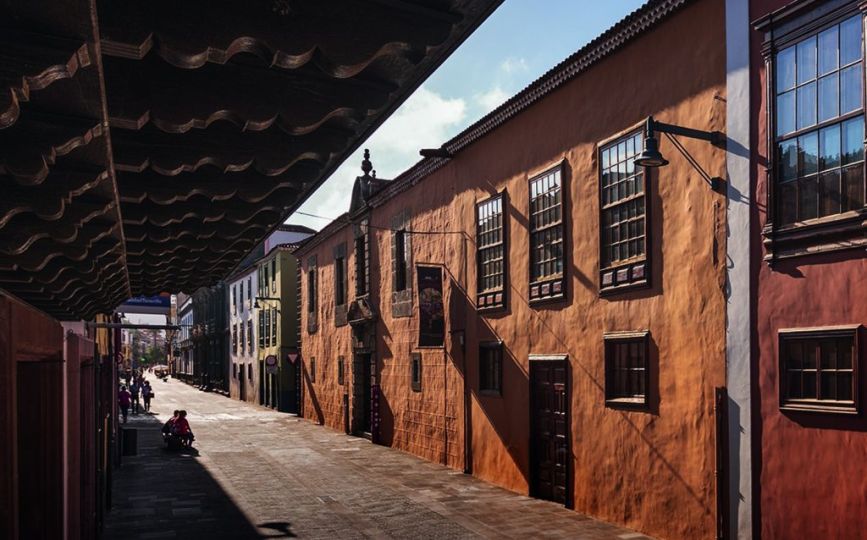
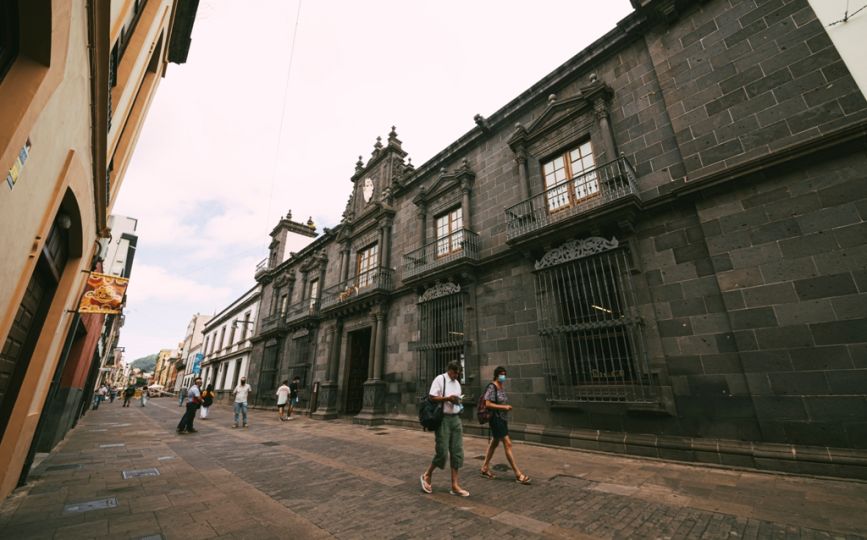
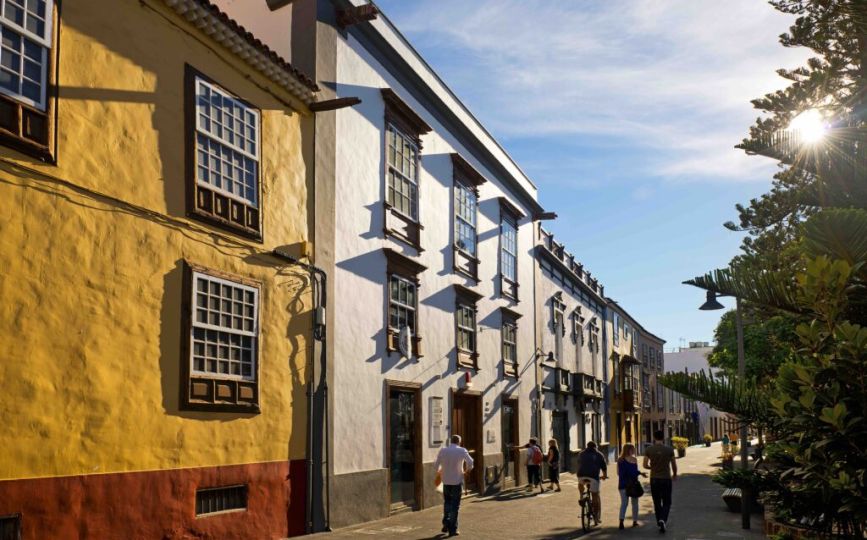
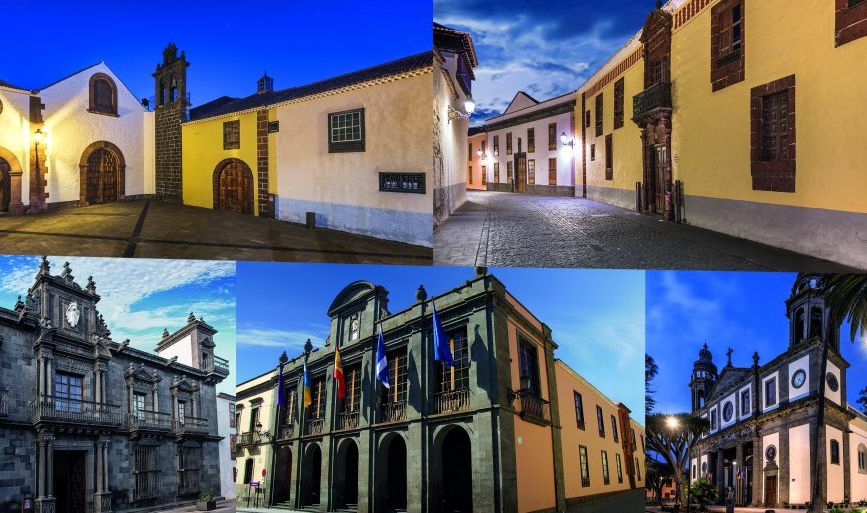
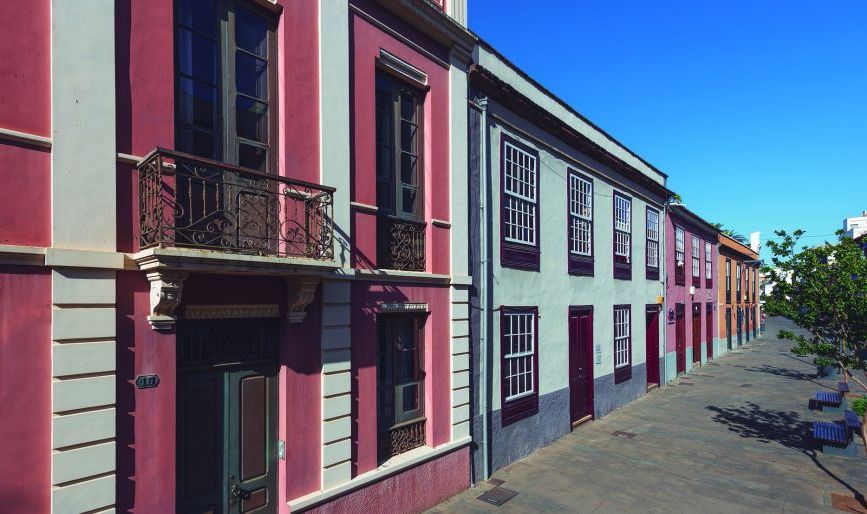
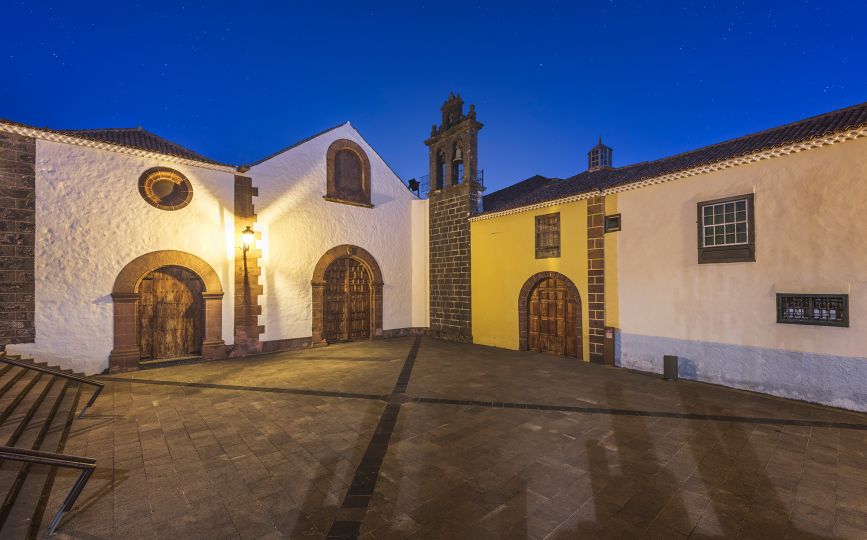
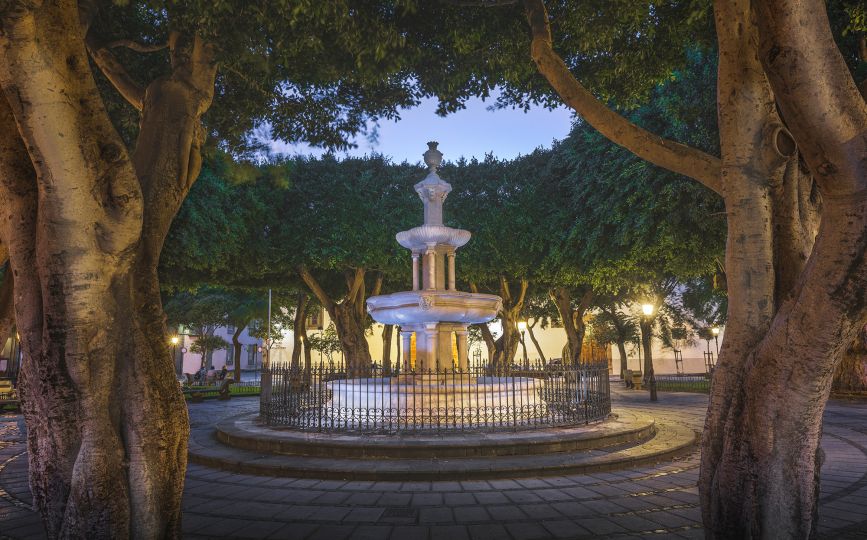
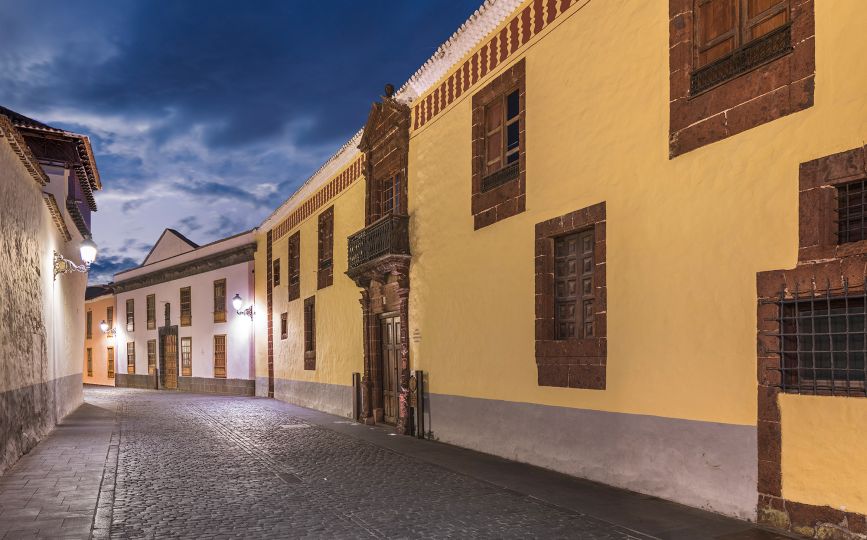
San Cristóbal de La Laguna was declared a World Heritage Site by UNESCO on 2 December 1999, for being a unique example of a colonial city without walls, and built from a complex project based on navigation as a science of the time and as a space for the organisation of a new social order. science of the time and as a space for organising a new social order.
The original layout from 1500, which has remained intact over the centuries, of influences between European and Hispano-Portuguese culture, European and Spanish-Portuguese culture and American culture, with which it has maintained a constant link from a human, cultural and socio-economic point of view.

La Laguna reveals its Point Zero, the place where Tenerife’s historic roads begin and the Canary Islands’ connection with Latin America
A bronze plaque measuring half a metre in diameter marks the centre of the compass rose hidden in the city’s layout for five centuries on Calle San Agustín
This new urban icon is digitally elevated in an audiovisual presentation that conveys La Laguna’s universal vocation as an Atlantic link between continents
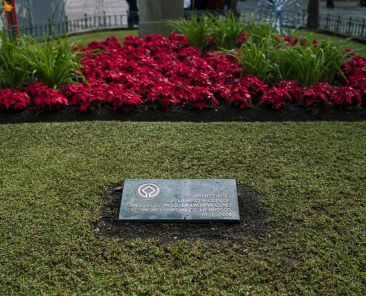
The presentation of the bronze stele opens the final day of events marking the anniversary, which culminates today with the closing ceremony at the Leal Theatre.

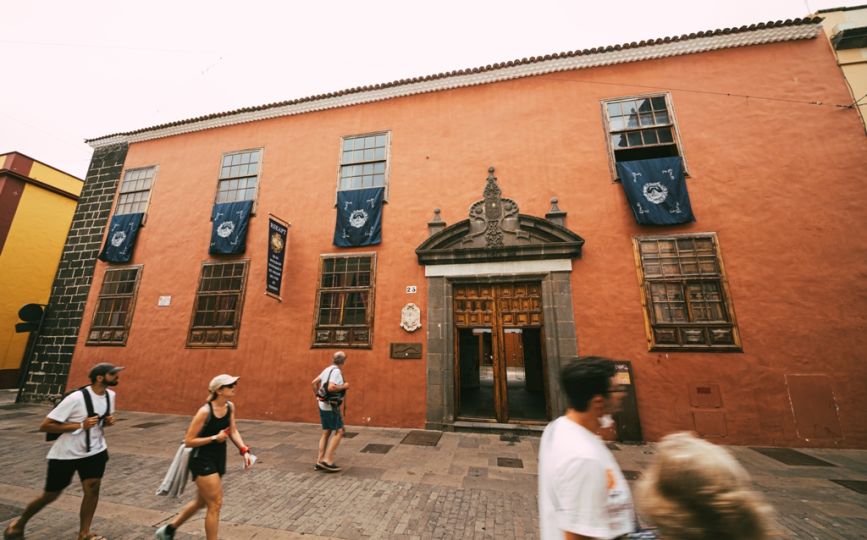
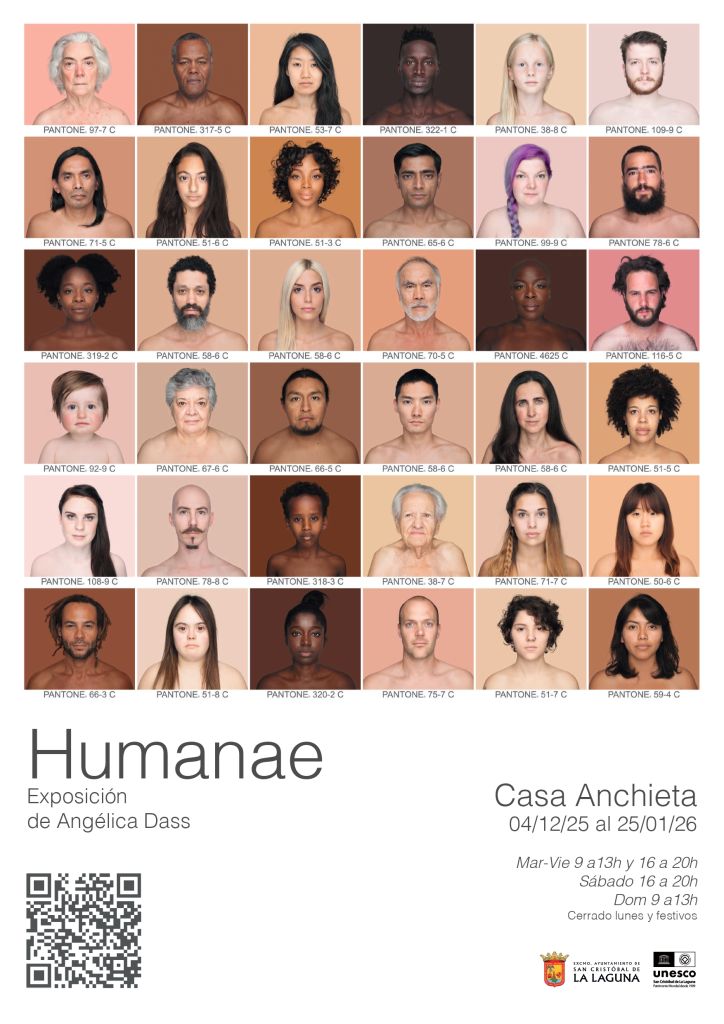
Casa Anchieta hosts the opening of photographer Angélica Dass’ international project Humanæ, which will be open to visitors until 25 January.
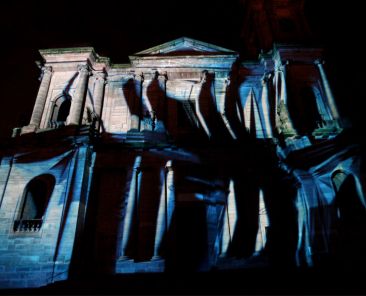
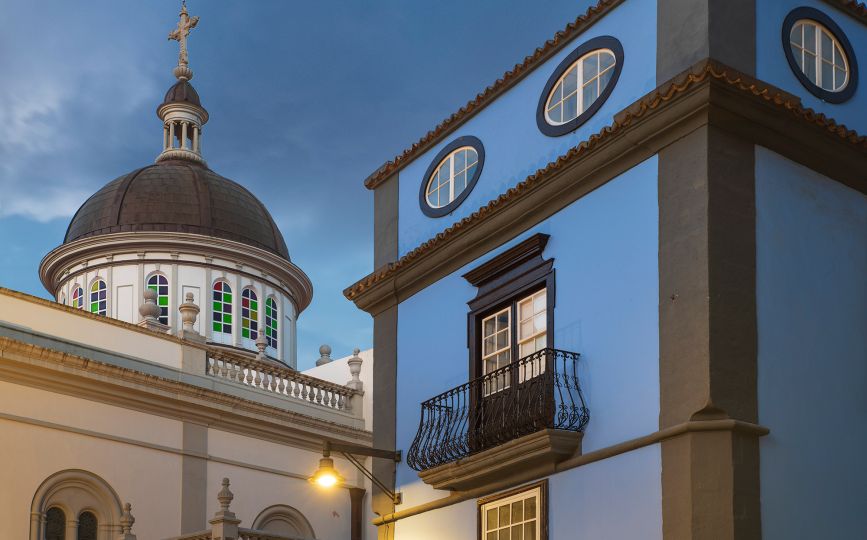
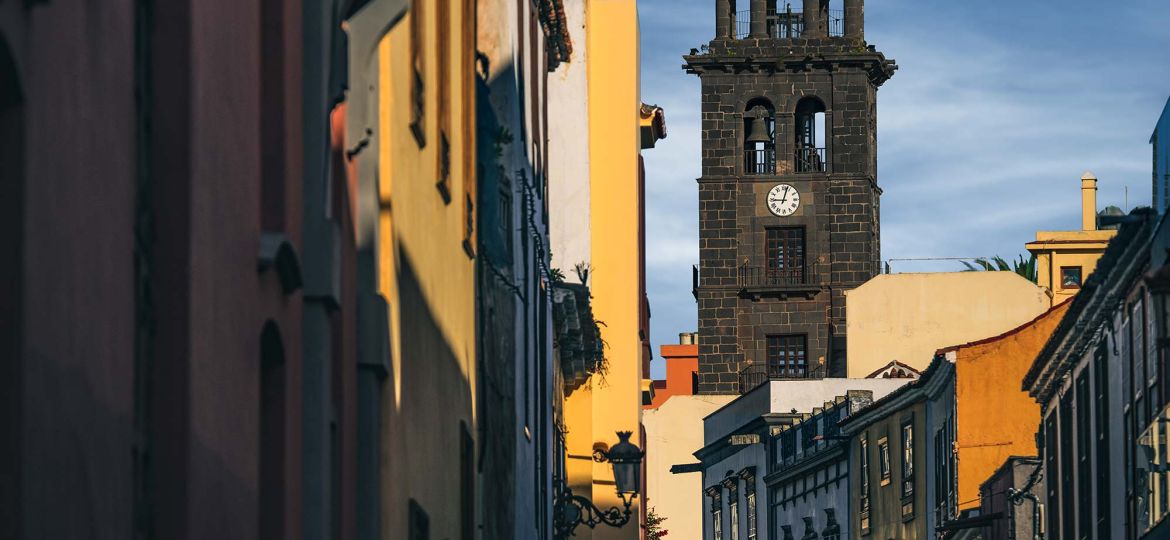
La Laguna City Council, in collaboration with the Diocese of Nivariense, will turn the side façade of the Cathedral into a giant screen.















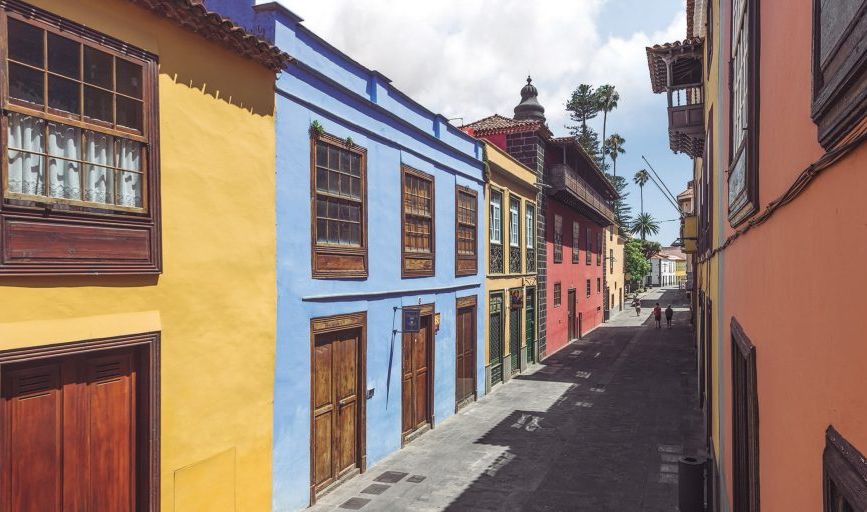
A city to photograph